How I Turned Luxury Spending Into Smart Wealth Growth
What if your high-end purchases didn’t drain your wallet but actually helped grow your wealth? I used to see luxury spending as a guilty pleasure—until I realized it could be part of a smarter financial strategy. By shifting how I view consumption, I found ways to align premium lifestyle choices with long-term asset appreciation. This isn’t about splurging recklessly—it’s about spending with purpose, making every dollar work harder. The transformation began not with more money, but with a change in mindset: what if luxury wasn’t the opposite of saving, but a potential ally in building lasting value? When approached with discipline and insight, certain high-end purchases can serve as both enjoyment and economic assets. This article explores how to make that shift—without risking financial security or falling into the trap of emotional spending.
The Hidden Cost of Mindless Luxury Spending
Luxury spending often begins as a reward—after a promotion, a milestone, or simply as a way to treat oneself. For many, it feels justified: a designer handbag, a five-star vacation, or a fine dining experience. Yet beneath the surface of satisfaction lies a pattern that can quietly undermine financial health. The problem isn’t the occasional indulgence, but the habit of treating luxury as a regular expense without considering its long-term impact. A $2,000 handbag may bring joy in the moment, but it typically loses value the moment it leaves the store. Unlike an investment that grows or retains worth, most luxury goods depreciate rapidly, turning spending into a one-way transaction: money out, value down.
This form of consumption is often driven by emotional triggers rather than financial logic. Social comparison, the desire for status, or the temporary high of acquisition can override rational decision-making. Psychologists refer to this as "retail therapy," a coping mechanism that offers short-term relief but long-term consequences. When repeated over time, these choices accumulate into significant opportunity costs. That $2,000 spent on a handbag could have been invested in a diversified portfolio, where even a conservative 6% annual return would grow it to over $3,500 in ten years. The cost of luxury, therefore, isn’t just the sticker price—it’s what that money could have become.
Moreover, luxury spending often operates in the blind spot of personal finance. People track bills and savings diligently but overlook discretionary purchases, especially when made with credit or bonuses. Because they don’t feel like "regular" expenses, they escape scrutiny. Yet, studies show that households in the top income quintile often spend disproportionately on visible luxury items, sometimes at the expense of retirement savings or emergency funds. The irony is that those with the means to build wealth are sometimes the most vulnerable to lifestyle inflation—the tendency to increase spending as income rises, leaving little room for true financial growth. Recognizing this pattern is the first step toward breaking it.
The shift begins with awareness. By treating every purchase as a financial decision, not just a lifestyle choice, individuals can start to evaluate whether a luxury item adds lasting value. This doesn’t mean eliminating enjoyment, but redefining it. Instead of asking, "Do I want this?" the better question becomes, "Will this serve me beyond the moment?" That mental recalibration transforms spending from a passive habit into an intentional act—one that can either erode or enhance net worth.
Reframing Consumption: From Expense to Investment Mindset
The turning point in my financial journey came when I stopped seeing luxury as the opposite of investing. For years, I believed that building wealth required sacrifice—delayed gratification, frugality, and avoiding anything that felt indulgent. But I began to notice something: some people enjoyed high-end lifestyles while also growing their net worth. How was that possible? The answer lay in a simple but powerful shift: they treated certain purchases not as expenses, but as potential investments. This doesn’t mean every luxury buy should be expected to appreciate, but rather that consumption can be aligned with value preservation or growth when guided by intention and knowledge.
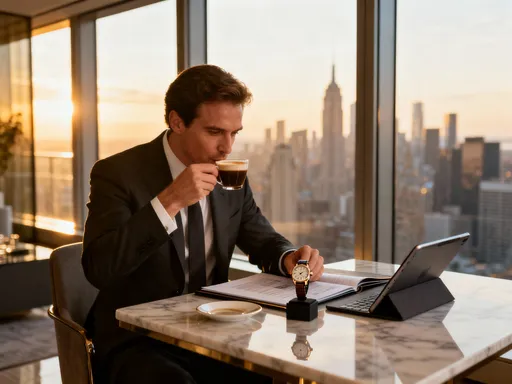
Consider the difference between buying a mass-market watch and a limited-edition timepiece from a respected manufacturer. The first will lose value immediately, while the second may retain or even increase in worth over time. The same applies to art, rare books, or vintage furniture—items that, when chosen wisely, can become tangible assets. These are not mere decorations; they are stores of value, much like real estate or precious metals. The key is discernment. Not all luxury is equal. The investment mindset requires evaluating purchases based on durability, scarcity, and market demand, not just brand prestige or emotional appeal.
This approach extends beyond physical goods. Spending on high-quality education, health optimization, or skill development can also be seen as investing in human capital—the most important asset any individual possesses. A premium wellness retreat, for example, may reduce stress, improve decision-making, and enhance long-term productivity. A specialized course in financial literacy or personal development can yield returns far exceeding its cost. These are not frivolous expenses; they are enhancements to earning potential and quality of life. When viewed this way, luxury spending becomes a tool for personal and financial advancement, not a distraction from it.
Adopting this mindset doesn’t require a six-figure income. It requires a change in perspective. Instead of asking, "Can I afford this?" ask, "What value will this bring over time?" This subtle shift encourages deeper evaluation. It prompts research, patience, and delayed gratification—not because enjoyment is bad, but because lasting satisfaction comes from choices that align with long-term goals. The goal is not to eliminate pleasure, but to ensure that pleasure and prudence can coexist.
What Truly Appreciates? Identifying Asset-Backed Spending
Not all luxury items are created equal when it comes to value retention. The majority—clothing, electronics, most jewelry—depreciate quickly. But a select few categories have demonstrated consistent appreciation over time. These are the areas where luxury spending can legitimately overlap with wealth-building. The common thread among them is scarcity. Whether due to limited production, historical significance, or cultural demand, rare and authentic items tend to hold or increase in value. The challenge is knowing which categories offer real potential and which are driven by hype.
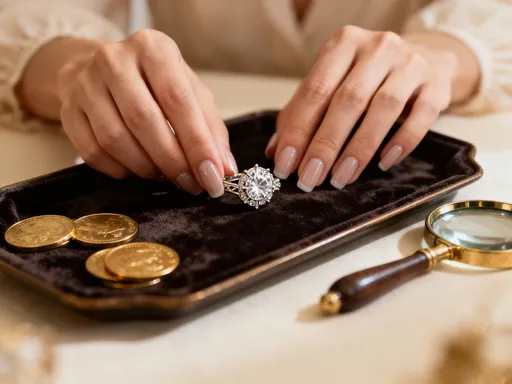
Collectibles are among the most well-documented examples. High-end watches from brands like Rolex or Patek Philippe, particularly limited editions, have shown strong long-term appreciation. Some models have doubled or tripled in value within a decade. Similarly, fine art from established artists often performs well in auctions, especially when provenance is clear and demand remains steady. Vintage cars, rare wines, and even certain designer handbags from specific eras have entered the realm of alternative investments. These are not purchases to make on impulse; they require research, authentication, and an understanding of market cycles. But for those who approach them with discipline, they can serve as both enjoyment and economic assets.
Real estate-linked experiences also offer a unique blend of lifestyle and value. Luxury vacation ownership in high-demand destinations—such as mountain resorts or coastal communities in appreciating markets—can provide both enjoyment and potential equity growth. Unlike a standard hotel stay, which offers no residual value, a well-located fractional ownership may increase in worth over time. The key is location, management quality, and usage flexibility. These factors determine whether the experience is a consumable or a durable asset. When structured properly, such arrangements can offer the benefits of a second home without the full burden of ownership.
Another category is high-quality, durable goods that retain resale value. Think of a meticulously maintained leather sofa from a heritage brand, or a handcrafted wool coat designed to last decades. While not traditional investments, these items depreciate slowly and can be resold at a significant portion of their original price. This contrasts sharply with fast fashion or disposable furniture, which lose value almost immediately. The financial benefit lies in longevity and cost per use: a $3,000 coat worn for 15 years costs far less per wear than a $300 coat replaced every two years. Over time, this approach reduces overall spending while enhancing quality of life.
Strategic Allocation: Balancing Pleasure and Portfolio Growth
Even the smartest luxury spending requires boundaries. Without discipline, the pursuit of appreciating assets can become a justification for overspending. The goal is not to turn every purchase into an investment, but to allocate a portion of discretionary income toward items that align with both enjoyment and financial strategy. This requires a framework—something akin to an investment portfolio, but for lifestyle spending.
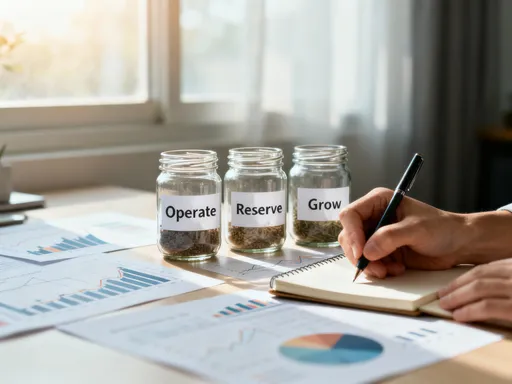
One effective method is to set a luxury budget as a fixed percentage of after-tax income, say 5% to 10%, depending on financial goals and stability. Within that budget, a rule can be established: a certain portion, perhaps 30%, must be reserved for purchases with potential value retention or appreciation. This ensures that not all spending flows into consumables. For example, if the annual luxury budget is $10,000, $3,000 could be directed toward a collectible, a high-end durable good, or a real estate-linked experience. The rest can be used for dining, travel, or other pleasures that don’t carry long-term value—but are still enjoyed mindfully.
Another strategy is to apply a "dual-benefit" criterion: before making a high-ticket purchase, ask whether it serves at least two purposes. Does it bring joy *and* hold resale value? Does it enhance well-being *and* improve productivity? A high-end ergonomic chair, for instance, may reduce back pain and increase work efficiency—making it both a comfort and a performance investment. A premium kitchen appliance might encourage healthier cooking, reducing grocery waste and medical costs over time. These are not traditional investments, but they generate measurable returns in quality and efficiency.
This approach fosters intentionality. It prevents impulsive buys and encourages delayed gratification. It also creates a sense of balance: enjoyment is not denied, but it is earned through thoughtful decision-making. Over time, this discipline compounds. The household fills with items that not only serve daily life but also contribute to net worth. The result is a lifestyle that feels rich not because of excess, but because of alignment between spending and values.
The Role of Timing and Market Awareness
Just as in financial markets, timing plays a crucial role in luxury spending. Buying at the peak of a trend often leads to disappointment, both emotionally and financially. The limited-edition sneaker released to massive hype may sell out in minutes, but its resale value can plummet just as quickly once the buzz fades. Conversely, early adoption in emerging sectors—such as sustainable luxury, digital collectibles, or wellness technology—can yield significant gains. The difference lies in market awareness and the ability to distinguish between fads and enduring value.
Consider the rise of sustainable fashion. Initially dismissed as a niche trend, it has gained mainstream traction as consumers prioritize ethical production and durability. High-end brands that invest in traceable materials and timeless design are seeing increased demand, and their pieces often retain value better than fast-fashion alternatives. Those who recognized this shift early and invested in quality sustainable pieces are now seeing both personal satisfaction and financial benefit. The same pattern applies to wellness real estate—properties designed with air quality, natural light, and biophilic elements—which are becoming more desirable in post-pandemic markets.
Market cycles also affect collectibles. Art, watches, and vintage goods move in waves influenced by economic conditions, cultural trends, and collector sentiment. Buying during a downturn, when prices are lower but quality remains high, can position a purchase for future appreciation. This requires patience and research. It means avoiding the pressure of limited-time offers or exclusive drops designed to trigger FOMO (fear of missing out). Instead, it involves observing auction results, tracking resale platforms, and consulting experts before committing.
Timing also applies to personal financial readiness. A luxury purchase, even a potentially appreciating one, should never compromise emergency savings or retirement goals. The ideal moment to buy is when financial foundations are solid—debts are managed, savings are on track, and the purchase fits within a long-term plan. This ensures that the decision is driven by strategy, not emotion. When timing and preparation align, luxury spending becomes not a risk, but a calculated step toward wealth growth.
Risk Management in Luxury Spending
Every financial decision carries risk, and luxury spending is no exception. The allure of potential appreciation can sometimes cloud judgment, leading to over-leveraging or poor choices. One common pitfall is treating all high-end purchases as investments, even when market evidence doesn’t support it. A designer handbag may be beautiful, but unless it’s a rare, in-demand model, it’s unlikely to gain value. Similarly, some "luxury" assets are marketed with exaggerated claims of appreciation, especially in emerging markets like digital art or niche collectibles. Without proper due diligence, buyers can end up with illiquid, overpriced items that are difficult to sell.
Another risk is concentration. Putting too much discretionary capital into a single category—such as watches or art—exposes the buyer to market volatility. If demand for that category declines, the financial impact can be significant. Diversification is just as important in lifestyle spending as it is in investing. Spreading allocations across different types of value-preserving purchases—collectibles, durable goods, experiential assets—reduces exposure to any one market. It also increases the chances of capturing growth in multiple areas.
Liquidity is another concern. Unlike stocks or bonds, luxury assets are not easily converted to cash. Selling a rare watch or piece of art may take time, require authentication, and involve transaction fees. This makes them unsuitable as emergency funds. Buyers should always consider their exit strategy: Is there an active resale market? Are there reputable platforms or auction houses that handle such items? Can the purchase be enjoyed even if it doesn’t appreciate? These questions help ensure that the decision is sound, regardless of future price movements.
Finally, authenticity and transparency are critical. The luxury market is not immune to counterfeits or misinformation. Verifying provenance, using trusted dealers, and obtaining appraisals are essential safeguards. For high-ticket items, documentation can make the difference between a successful resale and a total loss. By treating luxury spending with the same rigor as any financial decision, individuals can enjoy the benefits of premium living while minimizing unnecessary risk.
Building a Lifestyle That Grows With You
True financial well-being isn’t measured solely by net worth, but by the harmony between how you live and how you save. The most sustainable path to wealth isn’t one of deprivation, but of alignment—where spending reflects values, goals, and long-term vision. When approached with intention, luxury spending can become a quiet engine of growth, not a drain on resources. It’s not about buying more, but about choosing wisely—selecting items and experiences that enrich life today and retain value tomorrow.
This approach fosters a deeper relationship with money. Instead of seeing it as something to be hoarded or spent, it becomes a tool for creating a meaningful, resilient life. A beautifully crafted table isn’t just furniture; it’s a gathering place for family, a piece of art, and a potential heirloom. A well-located vacation property isn’t just a getaway; it’s a source of joy, a diversification of assets, and a legacy in the making. These are the kinds of purchases that compound—not just financially, but emotionally and relationally.
The journey begins with a simple shift: from mindless consumption to mindful selection. It requires patience, research, and a willingness to delay gratification. But the rewards are lasting. Over time, the household fills with items that tell a story—not of excess, but of thoughtfulness. The portfolio grows not just in stocks and bonds, but in tangible, enjoyable assets. And the individual moves from feeling guilty about spending to feeling empowered by it.
In the end, smart luxury isn’t about having more. It’s about making what you have work harder. It’s about creating a life where pleasure and prudence are not opposites, but partners. When every purchase is made with awareness, intention, and strategy, money begins to work silently in the background—even while you’re enjoying the finer things. That is the essence of true wealth: not just accumulating, but living well, with purpose.