How I Mastered My Money Before Buying a Single Piece of Furniture
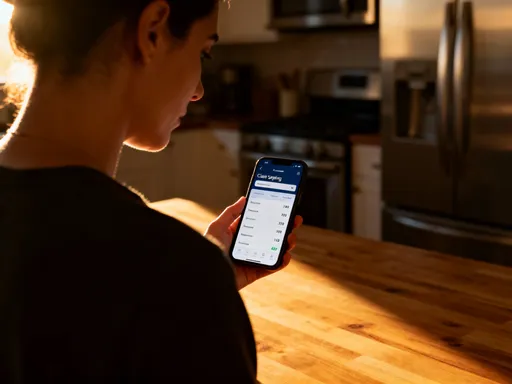
Ever stared at a beautiful sofa, only to panic about your bank account? I’ve been there. What started as a simple furniture hunt turned into a full-on money overhaul. Instead of swiping my card, I paused—really paused—and rethought how I manage funds. This isn’t just about chairs or tables; it’s about control, clarity, and making smart moves before spending. Here’s how I transformed my financial mindset, one budget-friendly decision at a time.
The Furniture Trap: When Wants Mask Real Financial Gaps
It began with a weekend stroll through a home goods store. The display living room was perfect—soft lighting, a plush sectional, a coffee table that looked both stylish and sturdy. For a moment, I could imagine my own space transformed. But as I reached for my wallet, a quiet voice asked: Can I really afford this? Not just the $1,200 price tag, but the delivery fee, the risk of damage, the space it would take up, and what giving up other things might mean. That hesitation sparked a much bigger realization: my financial habits were fragile, and furniture shopping had merely exposed the cracks.
Many people treat home furnishing as a one-off expense, something occasional and harmless. But in truth, it often reveals deeper patterns of spending without strategy. The emotional appeal of a beautifully styled room can override logic, leading to purchases made on impulse rather than planning. Retailers know this—they design showrooms to evoke comfort and aspiration, encouraging customers to envision an improved life with just one purchase. This psychological pull is powerful, especially when life feels chaotic or incomplete. A new couch becomes a symbol of change, even if the real issues are elsewhere.
What makes this trap so effective is the illusion of necessity. Unlike a vacation or luxury item, furniture seems practical. It serves a purpose. But when bought without financial readiness, it becomes a burden rather than an upgrade. The real problem isn’t the desire for comfort or beauty—it’s the lack of structure behind the spending. Without a clear budget or savings plan, even modest purchases can strain finances, delay bigger goals, or lead to reliance on credit. This is where emotional spending disguises itself as practicality, and that disguise can be costly.
To break free, it helps to ask honest questions: Is this purchase solving a real need, or filling an emotional gap? Have I shopped around, or am I reacting to a single appealing display? Do I have the funds set aside, or am I counting on future income? These reflections don’t aim to eliminate joy from shopping but to align it with long-term stability. Recognizing the difference between impulse and intention is the first step toward financial control. And once that line is drawn, the way we view all spending begins to shift.
Fund Management Basics: Building Your Financial Foundation
Before any purchase—big or small—a solid financial foundation is essential. This doesn’t require complex investment strategies or high-income levels. It starts with organizing money into clear, purpose-driven categories. Think of it like sorting tools into different drawers: one for emergencies, one for planned expenses, and one for everyday spending. When funds are separated intentionally, decisions become easier, stress decreases, and overspending becomes less likely.
At the core of this system are three key types of funds. The first is the emergency reserve, a safety net for unexpected events like medical bills, car repairs, or job loss. Financial experts generally recommend saving three to six months’ worth of essential expenses in this account. The second is the sinking fund, which is money set aside for known future costs—such as furniture, holiday gifts, or annual insurance premiums. Unlike emergencies, these are predictable, so saving gradually over time prevents last-minute strain. The third is the discretionary pool, which covers non-essential spending like dining out, entertainment, or home upgrades. This is where furniture often fits, but only when other priorities are secure.
Creating these categories doesn’t have to be complicated. Start by reviewing your monthly income and expenses. Identify fixed costs—rent, utilities, insurance—and subtract them from your take-home pay. Then, allocate a portion to the emergency fund until it reaches your target. Next, estimate upcoming planned expenses and divide them by the number of months until they’re due. That gives you a monthly savings goal for each sinking fund. Whatever remains can go toward discretionary spending, but only after the other buckets are funded.
The benefit of this structure is clarity. When you know exactly how much is available for a new sofa, you avoid guesswork and guilt. You also protect your emergency savings from being drained by avoidable purchases. Over time, this method builds financial discipline not through restriction, but through intention. It transforms money from a source of anxiety into a tool for deliberate living. And once this foundation is in place, even small spending decisions feel more confident and controlled.
The Real Cost of Furniture: Beyond the Price Tag
The listed price of a piece of furniture is rarely the full story. While a dining set might appear to cost $800, the final expense can climb significantly once delivery, assembly, and long-term considerations are factored in. These hidden costs are often overlooked, especially in moments of excitement, but they can impact both your budget and satisfaction with the purchase.
Delivery fees, for example, vary widely. Some retailers offer free shipping within a certain radius, while others charge hundreds of dollars, especially for large or heavy items. White-glove service, which includes room-of-choice delivery and packaging removal, adds even more. Assembly is another potential cost. While some people enjoy putting furniture together, others prefer to pay for professional help—especially for complex pieces like bed frames or modular sofas. These services may seem minor, but they can add 10% to 20% to the total cost.
Then there’s financing. Many stores promote “no interest if paid in full within 12 months” deals, but these come with risks. If the balance isn’t paid by the deadline, interest is applied retroactively, sometimes at rates exceeding 25%. This can turn a $1,000 purchase into a $1,300 burden overnight. Even standard credit card financing accrues interest quickly if not paid off monthly, making the item far more expensive over time.
Long-term costs also matter. Low-quality materials may save money upfront but require replacement within a few years. Upholstery that stains easily, wood that warps, or mechanisms that fail can lead to repairs or early disposal. There’s also the environmental impact—furniture that ends up in landfills contributes to waste, while sustainably made pieces, though sometimes pricier, often last longer and use eco-friendly materials. Buying secondhand can reduce both cost and environmental footprint, but it requires careful inspection for wear, pests, or structural damage.
By considering all these factors, the decision shifts from “Can I afford this today?” to “Is this worth the total cost over time?” A slightly more expensive, durable piece might actually be cheaper in the long run. This broader view encourages thoughtful evaluation rather than rushed decisions. It also supports smarter comparisons across retailers and options, helping buyers see beyond marketing and focus on real value.
Smart Saving Strategies: Growing Your Furniture Fund Without Stress
Waiting to buy furniture doesn’t mean denying yourself comfort or style—it means choosing patience over pressure. The key is to build a dedicated fund in a way that feels manageable, not overwhelming. This isn’t about drastic cuts or living frugally; it’s about consistency, small adjustments, and smart systems that grow savings naturally over time.
One of the most effective tools is automated savings. By setting up a recurring transfer—say, $50 per paycheck—into a separate account labeled “Living Room Upgrade,” the money accumulates without requiring constant attention. Automation removes the need for willpower, making saving feel effortless. Even smaller amounts, like $20 weekly, add up to over $1,000 in a year. The power lies in repetition, not size.
Another approach is micro-budgeting—finding tiny areas to redirect funds. For example, switching from daily premium coffee to brewing at home might save $100 a month. Packing lunch twice a week could free up another $60. Redirecting just half of those savings into a furniture fund turns small changes into meaningful progress. The goal isn’t deprivation but reallocation: spending less on things that matter less, so you can spend more on what truly improves your life.
Visual tracking also helps maintain motivation. Some people use a printed savings thermometer, coloring in sections as they reach milestones. Others prefer digital apps that show progress with charts and notifications. Celebrating small wins—like reaching 25% of the goal—can include low-cost rewards, such as a favorite meal or a movie night. These moments of recognition reinforce positive behavior and keep momentum going.
The tone of this process should be encouraging, not rigid. Life happens—unexpected expenses arise, timelines shift. The aim isn’t perfection but persistence. Even if progress slows, continuing to contribute, however small, keeps the habit alive. Over time, this disciplined approach builds not just a fund, but confidence in managing money with purpose.
Risk Control: Avoiding Debt and Impulse Traps
Credit offers convenience, but it also introduces risk—especially when used for non-essential purchases like furniture. The ability to take home a sofa today and pay later can feel liberating, but without discipline, it can lead to long-term financial strain. High-interest financing, minimum payments, and deferred interest plans are common pitfalls that turn manageable purchases into persistent debt.
Consider a $1,500 sofa financed at 24% annual interest. If only minimum payments are made, it could take years to pay off, and the total cost might exceed $2,000. Deferred interest plans—often advertised as “no interest for 12 months”—are particularly dangerous. If the full balance isn’t paid by the deadline, the entire accumulated interest is added retroactively. A single missed payment can erase months of careful budgeting.
To avoid these traps, it’s crucial to distinguish between affordability and access. Just because credit is available doesn’t mean a purchase is wise. A better approach is the “30-day rule”: when you want to buy something, wait 30 days before committing. During that time, continue saving, research alternatives, and reflect on whether the item is still a priority. This cooling-off period reduces impulsive decisions and allows emotions to settle.
Other red flags include pressure to sign financing on the spot, limited-time offers that create urgency, and unclear terms in contracts. Always read the fine print. Ask questions. Take brochures home. If a deal feels too good to be true, it often is. Protecting your financial health means saying no to shortcuts that compromise long-term stability.
Building this kind of discipline strengthens overall financial resilience. It fosters a mindset where spending aligns with values, not impulses. And over time, the ability to delay gratification becomes a powerful skill—one that applies far beyond furniture shopping.
Making the Purchase: Timing, Research, and Confidence
When the fund is ready and the decision is clear, the actual purchase should be the easiest part. But even at this stage, smart execution matters. The goal is to buy with confidence, knowing you’ve done your homework and secured the best possible value without falling for marketing tricks.
Timing plays a key role. Retailers often offer major discounts during seasonal transitions—Memorial Day, Labor Day, Black Friday, and end-of-year clearance events. These periods are ideal for finding deals on furniture, especially if you’re flexible about exact styles or colors. Floor models and overstock items can also provide significant savings, sometimes up to 50% off, with little to no wear.
Research is equally important. Read customer reviews carefully, paying attention to comments about durability, comfort, and assembly difficulty. Look for patterns—if multiple reviewers mention sagging cushions or wobbly legs, it’s a red flag. Check return policies and warranty terms. Some stores offer generous windows for returns or exchanges, while others charge restocking fees or exclude certain items. Knowing these details in advance prevents unpleasant surprises.
If possible, test the furniture in person. Sit on sofas, open drawers, examine stitching and finish. Quality is often evident in the details. For online purchases, look for high-resolution images, detailed dimensions, and material descriptions. Reputable retailers provide clear information and responsive customer service.
Finally, trust your judgment. If a deal feels rushed or confusing, walk away. Confidence comes not from spending quickly, but from knowing you’ve made an informed choice. This stage is the reward for the planning, saving, and patience that came before. It’s not just about acquiring furniture—it’s about proving to yourself that disciplined financial habits lead to better outcomes.
Beyond the Buy: How This Habit Transforms Your Entire Financial Life
Purchasing a single piece of furniture may seem like a small milestone, but the habits built along the way can transform your entire financial life. The discipline of saving, researching, and waiting doesn’t just apply to sofas—it extends to bigger goals like home renovations, family vacations, or retirement planning. Each intentional decision reinforces a mindset of control and foresight.
When you master fund management for one category, you gain confidence to apply it elsewhere. You start asking the same questions about every expense: What’s the real cost? Do I have a plan? Am I acting on impulse or intention? These habits compound over time, leading to reduced debt, stronger savings, and greater peace of mind.
Financial control isn’t about restriction—it’s about freedom. It’s the freedom to say yes to what matters, because you’ve learned to say no to what doesn’t. It’s the freedom to make choices based on values, not pressure. And it’s the freedom to build a life that feels secure, intentional, and truly your own.
Looking back, that moment in the furniture store was a turning point. It wasn’t about the sofa I didn’t buy—it was about the clarity I gained. Today, my home is furnished not just with comfortable pieces, but with the quiet confidence that comes from knowing I’m in charge of my money. And that, more than any single purchase, is the most valuable upgrade of all.